





National Estate of Chambord

http://www.chambord.org/

Prepare your visit

I will be at Chambord on
 Tell me more...

A historian’s perspective

Half-day workshop
Participants: maximum of 30 students
Levels: Ages 9-18
Times: 9.30am-12pm or 1.30pm-4pm
Price: €110

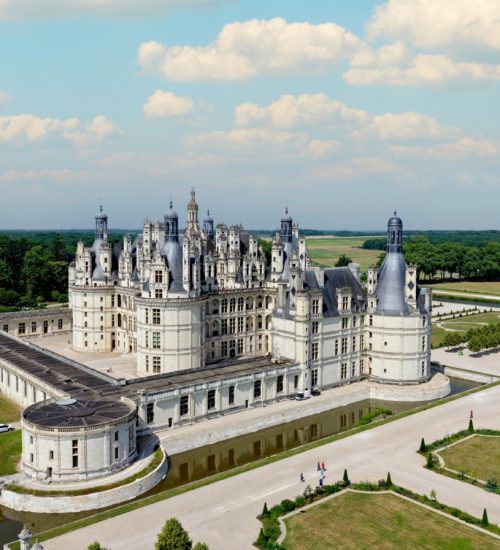
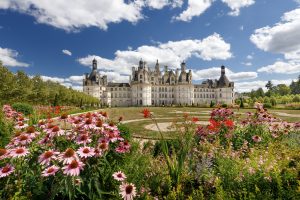
There has been no lack of images made of the château’s main facades, from its earliest days in the Renaissance right up to the present day. After a careful look at the facades themselves, putting prints, drawings, and old and contemporary photographs in the right order leads to the drawing up of a chronology of the construction of the château and its surroundings.

Le regard de l Sequence 1: The leading characters in Chambord’s history

From François I to representatives of today’s Republic, students get to know the great people who have forged the château’s history, collectively creating a chronological frieze five centuries long to situate them in time. They then focus on the various processes used for reproducing images of the château in the succeeding periods of its history.

Sequence 2: Drawing the facades

Students individually examine and draw the château’s north and south facades, giving them detailed knowledge of the various components of these two facades that are so emblematic of Chambord.

Sequence 3: A look around

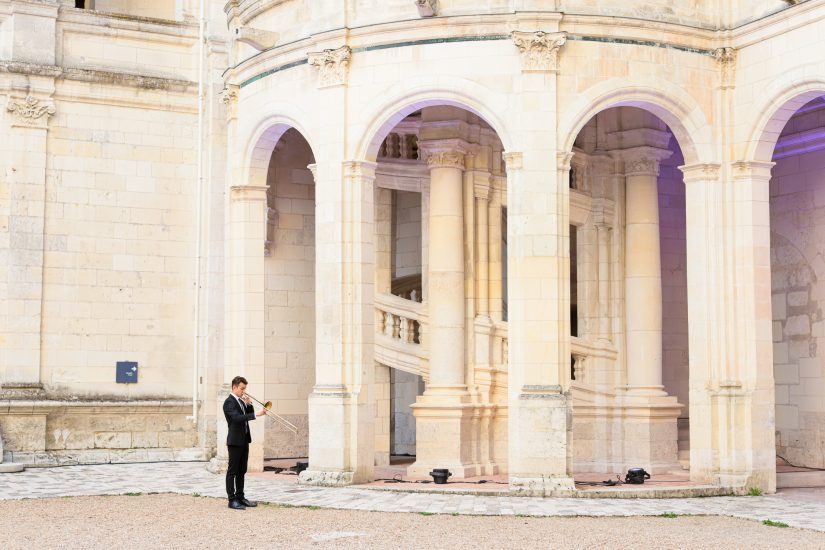
Students take a collective look around the monument, getting acquainted with the original design of the château’s components – the keep and its terraces, the royal wing and its oratory, the chapel, and the lower walls of the outbuildings. Focusing on royal emblems and decoration helps students identify each of its owners’ contributions to the monument.

Sequence 4: Historical classification

As a group, students are asked to study the monument’s development through looking at engravings, drawings, old and recent photographs, and descriptions of the château over the centuries (for 15-18 year olds only). With their fieldwork to back them up, they are asked to list the documents in chronological order, with a view to tracking the monument’s development from the Renaissance up to the present day.