






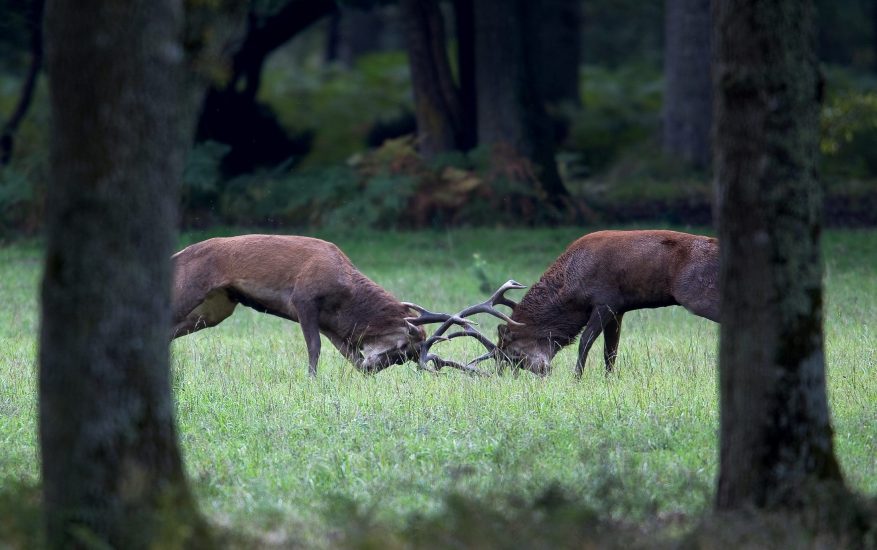
Brame du cerf : les réservations sont ouvertes




Ouvert tous les jours de l’année sauf le 1er janvier et le 25 décembre.
Du 4 janvier au 27 mars : 9h – 17h
Du 28 mars au 25 octobre : 9h – 18h
Du 26 octobre au 18 décembre : 9h – 17h
Du 19 décembre au 2 janvier 2027 : 9h – 18h (sauf 24 et 31 décembre 9h
– 16h)
Dernier accès ½ heure avant la fermeture du château
Fermeture des jardins à la française 30 minutes avant la fermeture du château
Parc et abords du château en accès libre toute l’année et tous les jours
Les tarifs 2026 sont valables jusqu’au 31 décembre 2026.
Plein tarif : 21 € (château + jardins) / 31 € (Tarif du billet d’entrée pour les visiteurs individuels ni ressortissants, ni résidents d’un pays de l’Espace économique européen)
Tarif réduit : 18,50 € (présentation d’un justificatif obligatoire) / 28,50 € (Tarif du billet d’entrée pour les visiteurs individuels ni ressortissants, ni résidents d’un pays de l’Espace économique européen)
Gratuit pour les moins de 26 ans ressortissants de l’Union Européenne